Dance Class Pricing Guide

The right price for dance classes depends on how often you train, what you need from class, and where your budget does the most good. Here's how to compare your options honestly.

What affects the price of dance classes

There's no single price for dance classes. What you pay depends on where you live, the format, and who's teaching. Before comparing options, it helps to know what drives the cost:

  • Location. Studios in major cities usually charge more than those in smaller towns.
  • Format. Drop-ins, class packs, studio memberships, term enrollment, private lessons, and online access are all priced differently.
  • Instructor. Classes with well-known choreographers or working professionals often cost more.
  • Extras. Registration, recital, and costume fees, plus travel and parking, add up for studio training.
  • Volume. The more often you train, the more the cost per class matters.

At a glance

  • Plans: yearly, monthly, and 4-month access
  • Free trial: 7 days on monthly and yearly subscriptions
  • Access: the full class library
  • Current prices: always on the pricing page

Common ways to pay for dance training

Drop-in classes

Pay per class. Maximum flexibility, but the highest cost per class if you train often.

Class packs and studio memberships

A lower cost per class in exchange for paying up front, usually limited to one studio's schedule and faculty.

Term or season enrollment

Common for youth and pre-professional training. Structured and progressive, with fixed class times.

Private lessons

The most expensive option per hour, and the best way to get detailed, personal correction.

Online subscriptions

A flat monthly or yearly price for unlimited access to a class library. The lowest cost per class for regular training, without live correction.

Work out your real cost per class

The most useful number isn't the sticker price. It's what you pay for each class you actually take.

  1. Estimate how many classes you realistically take each month. Be honest, not aspirational.
  2. Add up everything you'd spend, including fees, travel, and parking.
  3. Divide the total by the number of classes.
  4. Compare that number across the options available to you.

In many cities, a single drop-in class costs about as much as a month of online access. That doesn't make online training better. It means that if you train more than once or twice a month, a subscription usually costs far less per class, which can free up budget for the live classes and private lessons where in-person feedback matters most.

How DancePlug pricing works

DancePlug keeps pricing simple, with three ways to train. Current prices are always listed on our pricing page.

  • Yearly subscription. The best value for dancers who train regularly, with the lowest monthly cost.
  • Monthly subscription. Flexible month-to-month access you can cancel anytime.
  • 4-month access. A one-time payment for four months of access, with no recurring subscription and nothing to cancel.

Every option includes unlimited access to the full class library, across every style and level, along with practice tools like section markers, looping, speed control, back and mirror views, saved classes, and training history. Monthly and yearly subscriptions start with a 7-day free trial, so you can take classes before you pay. You can also give DancePlug as a gift.

Which option fits how you train

Trying dance for the first time

Start a free trial, take a few basic and beginner classes, and see whether you keep coming back.

Training a few times a week

A yearly subscription gives you the lowest cost per class.

Preparing for a specific goal

4-month access covers a focused block, like audition prep or a summer training plan, without a recurring subscription.

Unsure about your schedule

A monthly subscription keeps you flexible.

Teachers and studio owners

A yearly subscription works as an ongoing planning and inspiration resource for warmups, exercises, and combinations.

Preview the classes

See how DancePlug classes are taught

Before you choose a plan, watch a preview. Classes are filmed to be learned, not just watched, with instruction you can slow down, loop, and follow from the back or in mirror view once you're inside.

Two good places to start: Stephanie Landwehr, whose credits include La La Land and performing with Cher, and DancePlug co-founder Anh Dillon.

Fancy Footwork with Stephanie Landwehr
Anh's Beginner Ballet Barre #1 with Anh Dillon

Spend on online and in-person training wisely

For most dancers, the smartest budget isn't all studio or all online. Use online classes for volume: technique, repetition, new styles, and practice between classes. Spend on live classes, intensives, and private lessons for what a screen can't give you: correction, partnering, performing, and dancing in a room with other people.

DancePlug was founded in 2008 to make quality dance education more accessible and affordable for dancers everywhere. Used that way, alongside the teachers and studios in your life, it can be one of the most cost-effective parts of your training.

Frequently asked questions

A few practical answers about dance class pricing and DancePlug plans.

Start training

Start with a free week

Monthly and yearly subscriptions start with a 7-day free trial, so you can take classes before you pay.
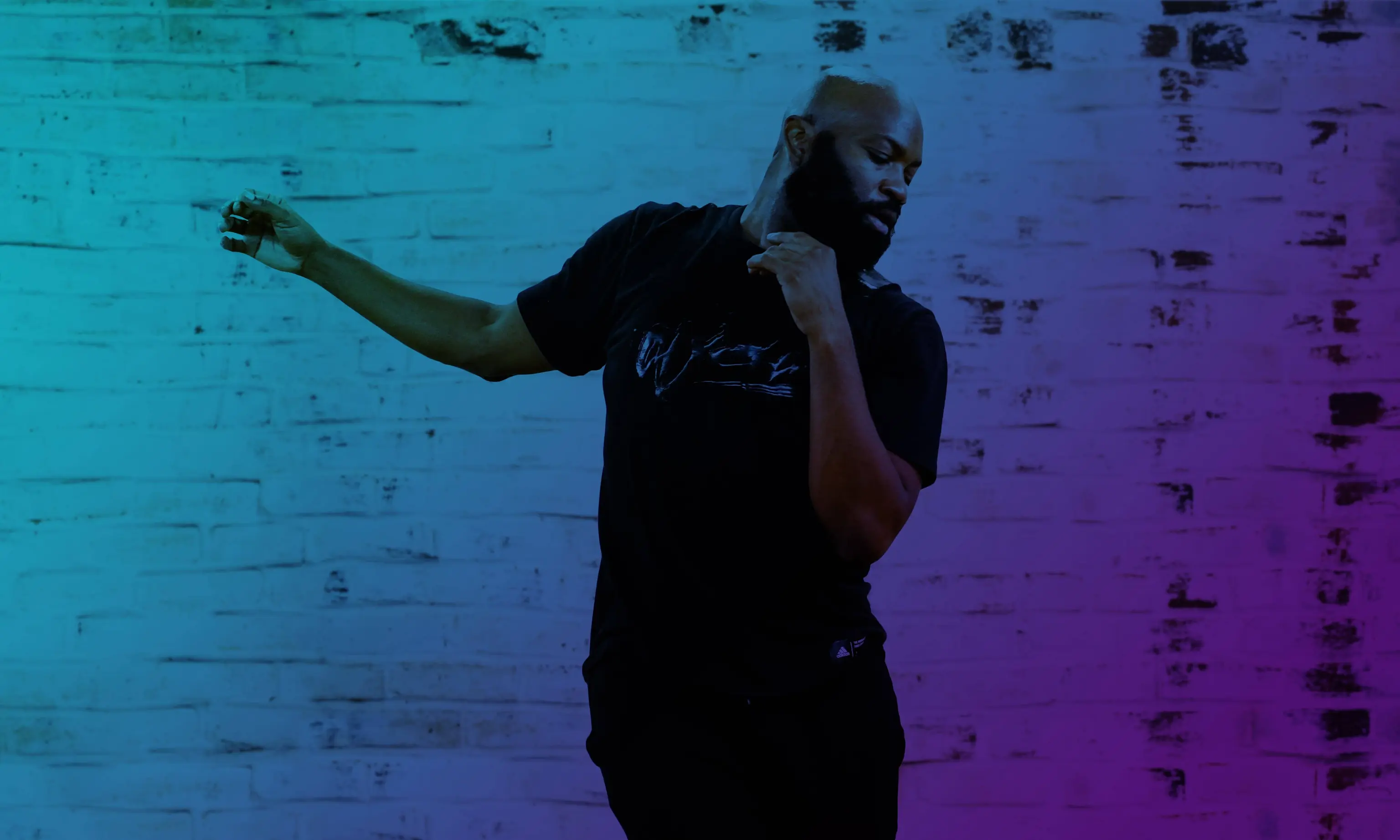
Tovaris dances in a black tee, one arm extended, against a brick wall washed in teal and purple

From the DancePlug archive

How To Determine The Best Dance Training Program For You

Questions to ask before investing in a mentorship or training program.

No Formal Summer Training Plans? Here's How You Can Design Your Own

Build a self-guided training block on your own terms and budget.