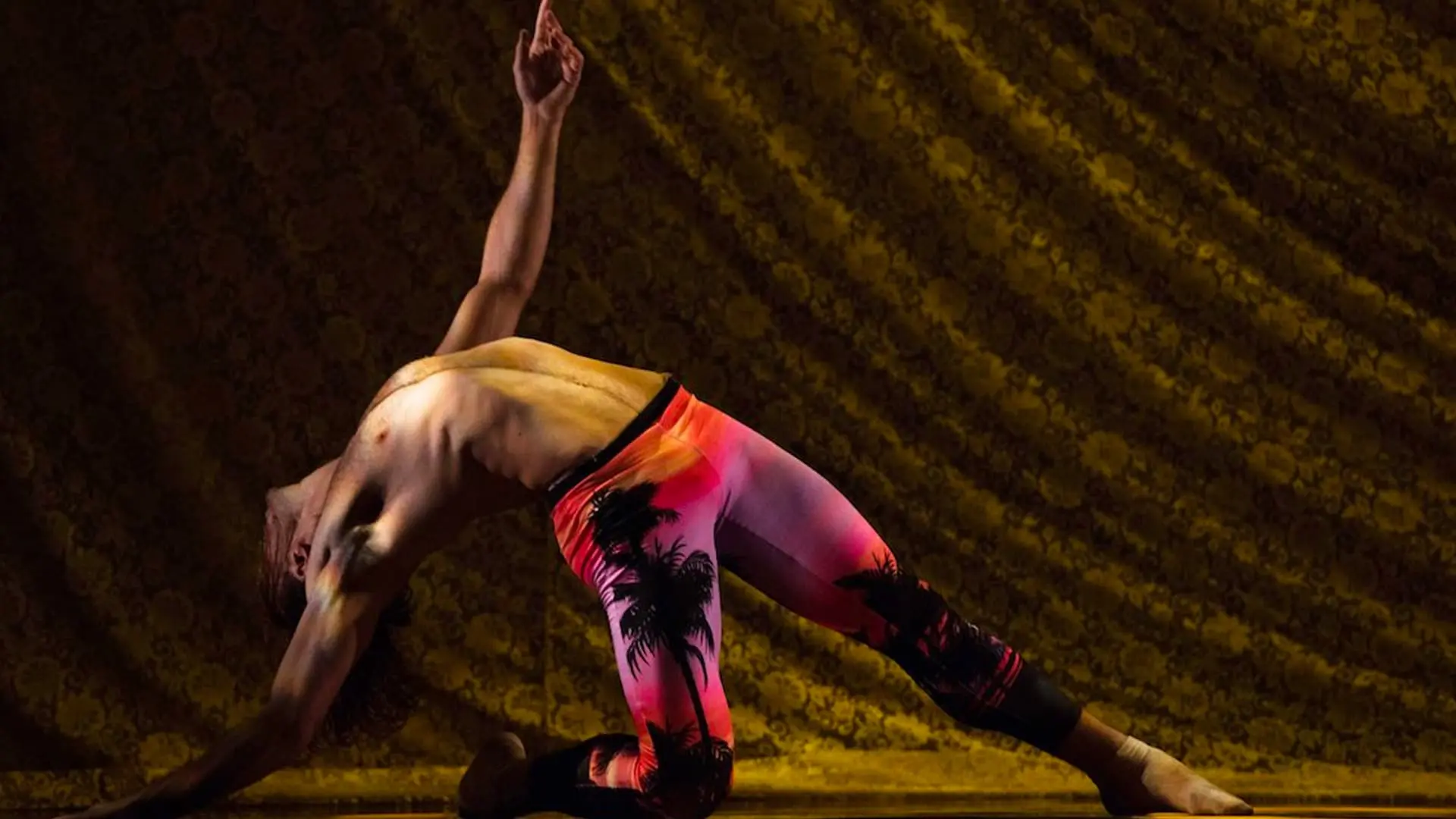
Photo: Joshua Sugiyama
BODYTRAFFIC Adrift in Broad Stage Concert
by Steven Woodruff • 3:00 mins read
In speaking about an early piece of his choreography for Netherlands Dance Theatre, Paul Lightfoot, now a permanent resident choreographer and Artistic Director of that company called his work “a right good stinker”. You could admire the self-deprecating attitude and honesty of someone who could acknowledge that even at a powerhouse like NDT, company sponsored choreographic efforts could go off the rails. Something like that happened at the Broad Stage on Thursday night with BODYTRAFFIC’s opening night of their latest repertory evening of mostly new works. Somehow, a company that has in the past has danced purposefully to Schoenberg, assayed complex cultural odysseys using ethnic music, and collaborated with a hip “genius” choreographer (I’m thinking here of Kyle Abraham’s 2013 work "Kollide" for the company on this same stage) disappeared down a rabbit hole with a program filled with artistic pretense that offered little.
The disappointments started early with Richard Siegal’s anodyne, jazz-inflected suite for four dancers set to Gershwin’s Preludes. With only three pieces to tell his story, "3 Preludes" was over before it got a chance to get rolling. And with an overly amplified on stage piano, the sound poured out of the above-stage speakers leaving the actual sound of the piano, played in expressive good style by Inna Faliks, nearly inaudible. But the real missed opportunity was that the dancers never made any kind of emotional contact with their onstage accompanist, navigating around the pianist as if she were mere set decor. The three men, Joseph Kudra, Matthew Rich, and Guzmán Rosado made a good team (they might remind you of Robbins’ sailors for "Fancy Free") while Tina Finkelman Berkett summoned only a wan presence for her role as the threesome’s love interest. She seemed to wander through "3 Preludes" rather than dance it.
Both the evening’s premiering big works, "Private Games" by Anton Lachky, and "Death Defying Dances" by Arthur Pita were overloaded with ill-used old tropes—a prop strewn stage, speaking and lip syncing parts for dancers, theatrical disruptions-- for theater and contemporary dance. The later, set to the music of 60’s era coffee house singer, Judy Henske, felt more like a club review than concert dance. Except for a focal section designed around a murder ballad theme, Pita’s sketch-like suite never reached beyond a campy gloss on the music. Designed as a dystopic vision of love (the block letters on the stage spelled out “Love Stinks”) the piece’s sledgehammer symbolism gave away the game leaving us little to figure out for ourselves. "Death Defying Dances" made you yearn for the engaging works of dancemakers like Smuin ("Dances with Songs"), Taylor ("Company B"), and Forsythe ("Love Songs") who took songs personal to them from the American song book, and made us love the music and the dancing that went with them, even more.
"Private Games" gave us furious dancing to an eclectic collage of music including Haydn, Bach, and percussion. Part theater dance and part social commentary, the work’s biggest stumbling block was an embarrassingly conceived central character who mocked himself and was in turn mocked by his fellow-dancers for his geeky, physical afflictions. Lachky consistently played the music and the intereactions among his dancers for comedy with most of it fizzling. It borrowed a lot from the audience confrontation and goofiness in the mold of Naharin and the Eurozone, but offered little more than a facile copy and no real message. BODYTRAFFIC’s game dancers did what they could with a program that, this time around, considerably undershot their previous accomplished performances.
Other Articles
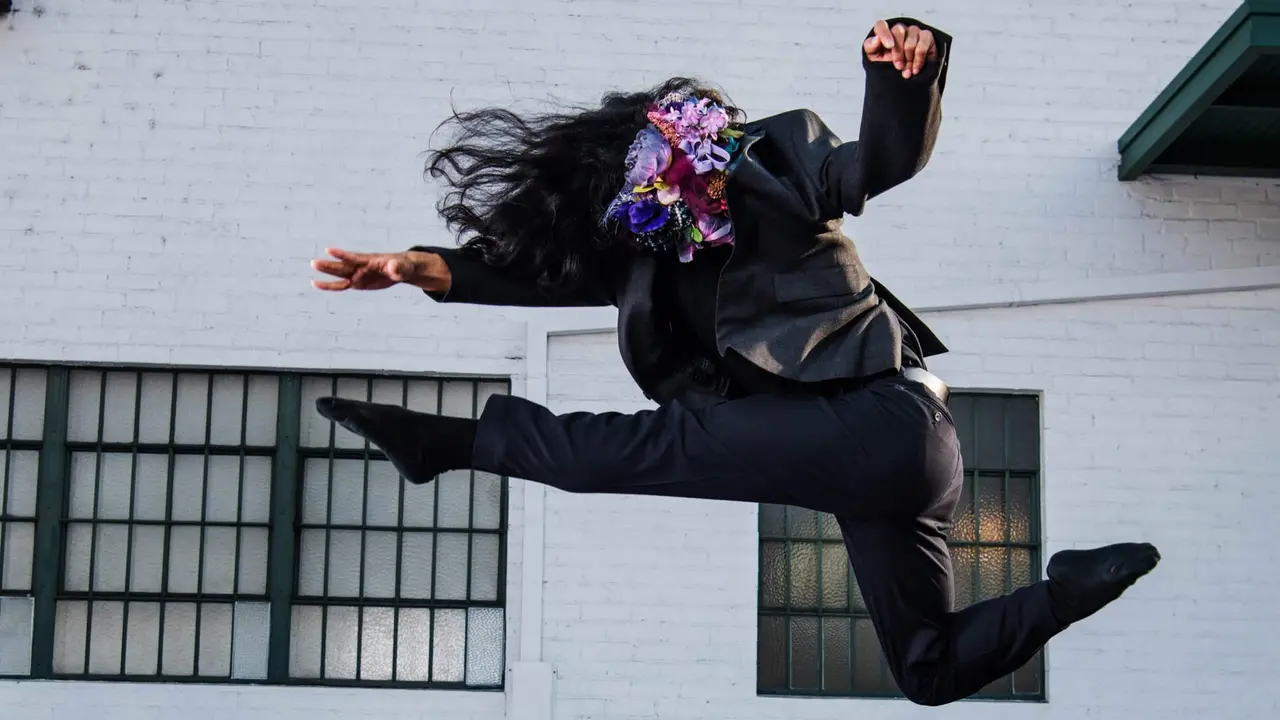
Flowered Faces, Challenging Contexts Mark L.A. Dance Project Return to Live Performance
Steven WoodruffFor a few moments before the beginning of Solo at Dusk, Bobbi Jene Smith’s new, commissioned work for Los Angeles Dance Project, the blue sky above the improvised outdoor theate...

Book Review: “Final Bow For Yellowface” Lays Out A Route Toward Inclusion
Steven WoodruffPhil Chan's book "Final Bow For Yellowface" is an ever relevant read that tackles the topic of racial stereotypes within dance, while laying out a route towards increased inclus...
Steven Woodruff lives in Los Angeles where he is a professional musician, dancer, educator, and writer. His writing includes original poetry and translations as well articles on film, stage, television, and culture. He reviews dance and music covering national and international touring concert programs as well as local companies for DancePlug, DanceChannelTV, and BachTrack in the UK.