Online Ballet Dance Classes

Ballet makes the rest of your dancing clearer. Use online ballet classes to build the alignment, balance, and control that carry into every other style, and practice at home with care.

Why ballet is worth training

Ballet isn't the foundation of every dance form. Hip-hop, house, and many other styles have their own roots and their own technique. But ballet technique is enormously useful. Placement, turnout, balance, and footwork make turns cleaner, extensions safer, and landings softer in almost any style.

It also rewards patient repetition, which is exactly what online classes are good for. You can return to the same barre exercises until the details start to live in your body.

DancePlug co-founder Anh Dillon teaches many of our ballet classes, alongside instructors including Corina Kinnear, Laura Fremont, and Bertha Suárez Blankenship.

At a glance

  • Start at: basic if positions and terminology are new
  • At home: a sturdy chair or counter as a barre
  • Feet: ballet slippers, never socks on a slippery floor
  • Pointe work: only with an in-person teacher

What ballet builds

Posture and placement

A long spine, square hips, and a stable center.

Turnout

Rotation from the hips, built gradually and never forced from the knees or feet.

Balance and control

Holding positions and moving slowly and smoothly between them.

Footwork

Articulating through the feet for jumps, relevés, and clean lines.

Coordination and port de bras

Arms, head, and legs working together with the music.

Vocabulary

The French terminology used in many other dance classes.

How to practice ballet online

  1. Take the full barre before center work, even when you're short on time. It prepares the joints and muscles ballet relies on.
  2. Go slower than the video if you need to. Correct placement at a slow tempo beats rushed repetitions.
  3. Choose one focus per class: turnout from the hips, a lifted center, or articulating the feet.
  4. Use the back view to match direction, and the mirror view to check your lines.
  5. Retake classes regularly. Progress in ballet comes from the same exercises done a little better each time.
Anh's Beginner Ballet Barre #1 with Anh Dillon

Try it with Anh's Beginner Ballet Barre #1 from DancePlug co-founder Anh Dillon.

Setting up to train ballet at home

  • A barre alternative. A sturdy chair back, kitchen counter, or solid windowsill works for barre exercises. Check that it won't move before you rely on it.
  • The right floor. A surface with a little give. Avoid concrete for jumps and anything slippery for turns.
  • Feet. Ballet slippers are ideal. Socks on a slippery floor are not.
  • Space. Room to extend your legs in every direction at the barre, plus a few clear steps for center work.
  • A mirror, if you have one. Helpful for checking alignment. If not, film short sections and compare them with the instructor.

Common mistakes to avoid

  • Forcing turnout from the knees or feet. Work with the rotation your hips have today.
  • Gripping or locking the knees in standing positions.
  • Sitting into the hips or letting the ribs flare to reach a higher leg.
  • Rushing into advanced steps before you have the strength and control they require.
  • Starting pointe work without an in-person teacher. Pointe readiness must be assessed in person.

Choosing your level

Ballet classes on DancePlug are spread across all four levels. Start with basic if ballet positions and terminology are new to you. Move to beginner when you know the positions and can follow a barre at a steady pace. Dancers with strong training in other styles often benefit from starting ballet a level or two lower than their usual classes.

Ballet for dancers of every style

Contemporary, jazz, lyrical, and theatre dancers use ballet classes to clean up alignment and build strength for turns and extensions. If you mostly train in another style, one or two ballet classes a week can make a visible difference. See our guides to contemporary and jazz classes for how the styles connect.

Teachers use DancePlug ballet classes for barre and center ideas when planning their own classes, too.

Learn from the instructors

Take class like a pro with Corina Kinnear

Corina Kinnear trained with The International Ballet School, Pacific Northwest Ballet, and Ballet West before performing and choreographing internationally. Her beginner ballet classes pair clear technique with room for artistic exploration.

Try not to mark the arms. Full out port de bras whenever possible.

Corina Kinnear, in Corina Kinnear's Top 4 Class Etiquette Tips

Corina's Beginner Ballet Class #1 with Corina Kinnear
Corina's Beginner Ballet Class #2 with Corina Kinnear

Frequently asked questions

A few practical answers before your first ballet class.

Start training

Build strong foundations

Every subscription starts with a 7-day free trial, so you can work through the barre at your own pace.
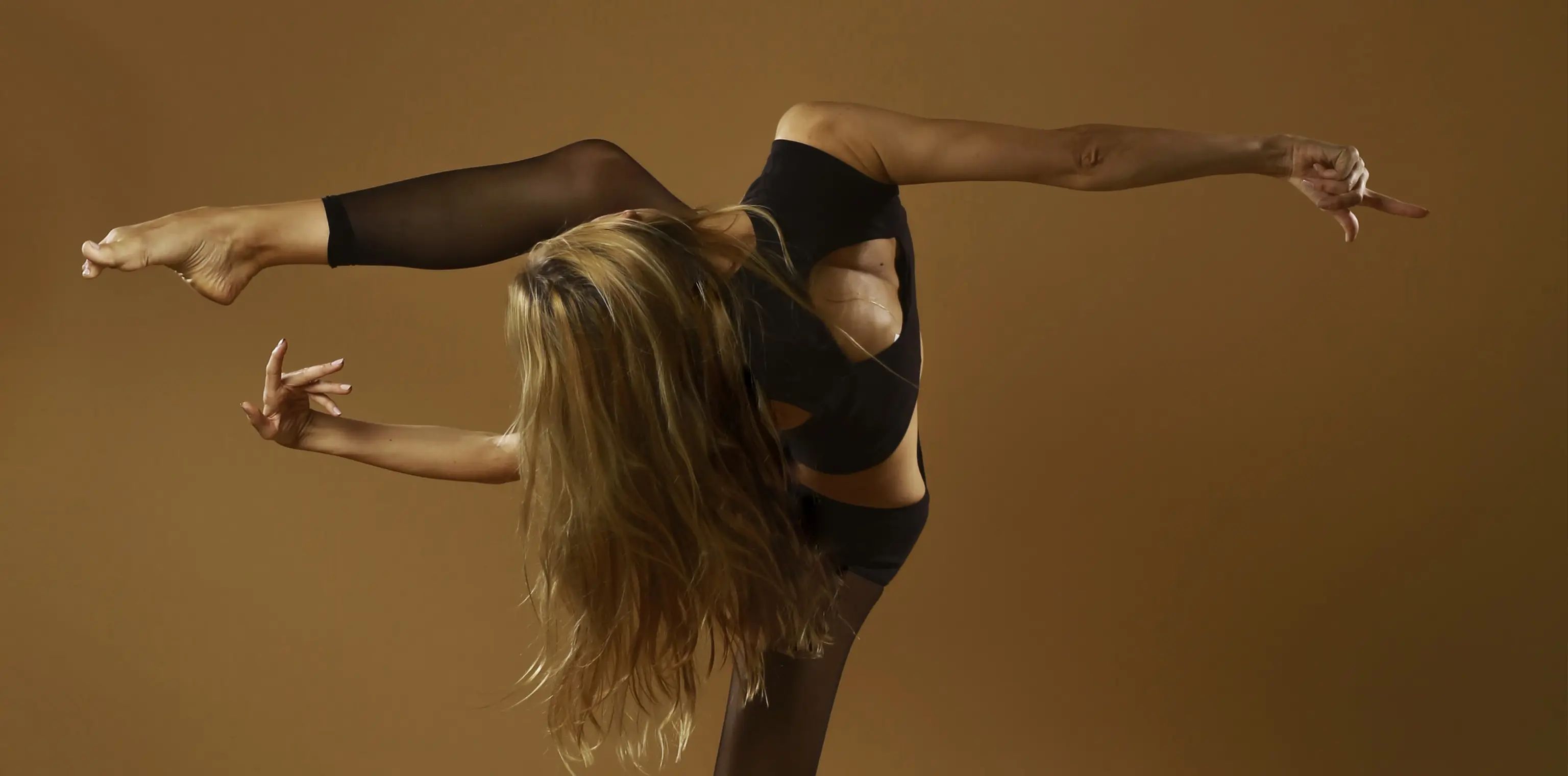
Corina Kinnear in black arches over in a deep side tilt, long hair falling, on a warm brown backdrop

From the DancePlug archive

The Young Ballet Dancer's Dream: When Is It Appropriate to Start Pointework?

What pointe readiness really involves, and why it can't be rushed.

Why Ballet Is Not the Foundation of All Dance Arts and Culture

Useful context on ballet's place among the world's dance forms.

Come Fly With Corina Kinnear in Her Ballet Classes

Meet one of the instructors teaching ballet on DancePlug.