Online Contemporary Dance Classes

Contemporary asks for control and release at the same time. Train the weight, breath, transitions, and floorwork underneath the movement, and your expression has something real to stand on.

More than pretty shapes

From the outside, contemporary can look loose and effortless. From the inside, it's very specific. Where does the weight go? What starts the movement: the spine, the pelvis, the breath? How do you get to the floor and back up without crashing? That's where the training lives.

Contemporary is one of the deepest styles in the DancePlug library, alongside lyrical, with classes from beginner through advanced. It rewards the kind of slow, repeated practice that online classes are especially good for.

At a glance

  • Start at: beginner (contemporary has no basic-level classes)
  • Pairs well with: ballet or jazz technique
  • Floor: clean and not slippery, with knees and elbows covered
  • Related style: lyrical

What contemporary training builds

Weight and momentum

Letting gravity do some of the work, and knowing when to resist it.

Breath and initiation

Using breath to shape phrasing, and knowing where in the body a movement begins.

Floorwork

Getting down and up safely, and rolling, sliding, and spiraling with control.

Transitions

The in-between moments that make a phrase read as one thought.

Dynamics and musical phrasing

Suspension, release, stillness, and speed.

Expression with intent

Movement that means something to you, rather than an imitation of an emotion.

How to practice a contemporary phrase

  1. Warm up your spine, hips, and feet thoroughly. Contemporary asks a lot of all three.
  2. Learn the phrase slowly, paying attention to where each movement starts and where your weight travels.
  3. Mark floorwork the first few times, finding the safest route down and up before adding speed.
  4. Loop any transition that feels choppy. Usually a weight shift or a breath is missing.
  5. Dance the phrase full out once it holds. Then retake the class another day and work on dynamics and intention.
Grounding and Expanding with Gina Starbuck

Try it with Grounding and Expanding, a beginner contemporary exercise from Gina Starbuck.

Contemporary, modern, and lyrical

The terms often get used interchangeably, but they aren't the same. Modern dance refers to specific 20th-century techniques, such as those developed by Martha Graham, Lester Horton, and José Limón. Contemporary draws on modern, ballet, release technique, and more, and keeps evolving. Lyrical blends jazz and ballet technique with a strong focus on musical expression.

Our article Why Contemporary and Modern Dance Are Different goes deeper, and you can explore lyrical classes alongside contemporary.

Floorwork at home, safely

Floorwork is where home training needs the most care.

  • Use a clean surface that isn't slippery or hard concrete. A wood floor or dance mat works well, and a large exercise mat can cushion rolling sections.
  • Wear long sleeves and full-length pants, or knee pads, if a class includes a lot of knee and hip contact.
  • Roll through muscle rather than landing on knees, elbows, or hip bones.
  • Skip or adapt any movement your space or body isn't ready for that day.

Choosing your level

Contemporary on DancePlug starts at beginner level, with no basic classes, so newer dancers should begin with beginner classes and consider adding ballet or jazz technique alongside. You don't need ballet to start contemporary, but alignment and control help a great deal, especially with turns, balances, and extensions.

Intermediate and advanced classes make up most of the contemporary library. They suit dancers who are comfortable with floorwork and can learn longer, faster phrases.

Instructors to explore

Contemporary on DancePlug includes classes with Gina Starbuck, Renee Kester, Aaron Czuprenski, Luke Dakota Zender, Alexie Agdeppa, and Mecca Vazie Andrews, among others. Each has a distinct movement voice, and taking class with several of them is one of the best ways to find your own.

Contemporary teachers and choreographers also use DancePlug for phrase ideas, warmups, and exercises when planning their own classes.

Learn from the instructors

Make it your own with Alexie Agdeppa

After years of teaching at conventions, Alexie Agdeppa says the dancers who stand out aren't always the ones with every step or the best technique. They're the ones who dance with heart and put their own spin on the movement.

In my classes, I encourage and facilitate the freedom to make my steps your own... you (the artist) make the ultimate choices. YOU make it art.

Alexie Agdeppa, in She Sees a Lot of Dancers, But This Catches Her Eye!

Exploring Initiations with Alexie Agdeppa
Mukiwa with Alexie Agdeppa

Frequently asked questions

A few practical answers before your first contemporary class.

Start training

Move with intention

Every subscription starts with a 7-day free trial, so you can explore contemporary classes before you decide.
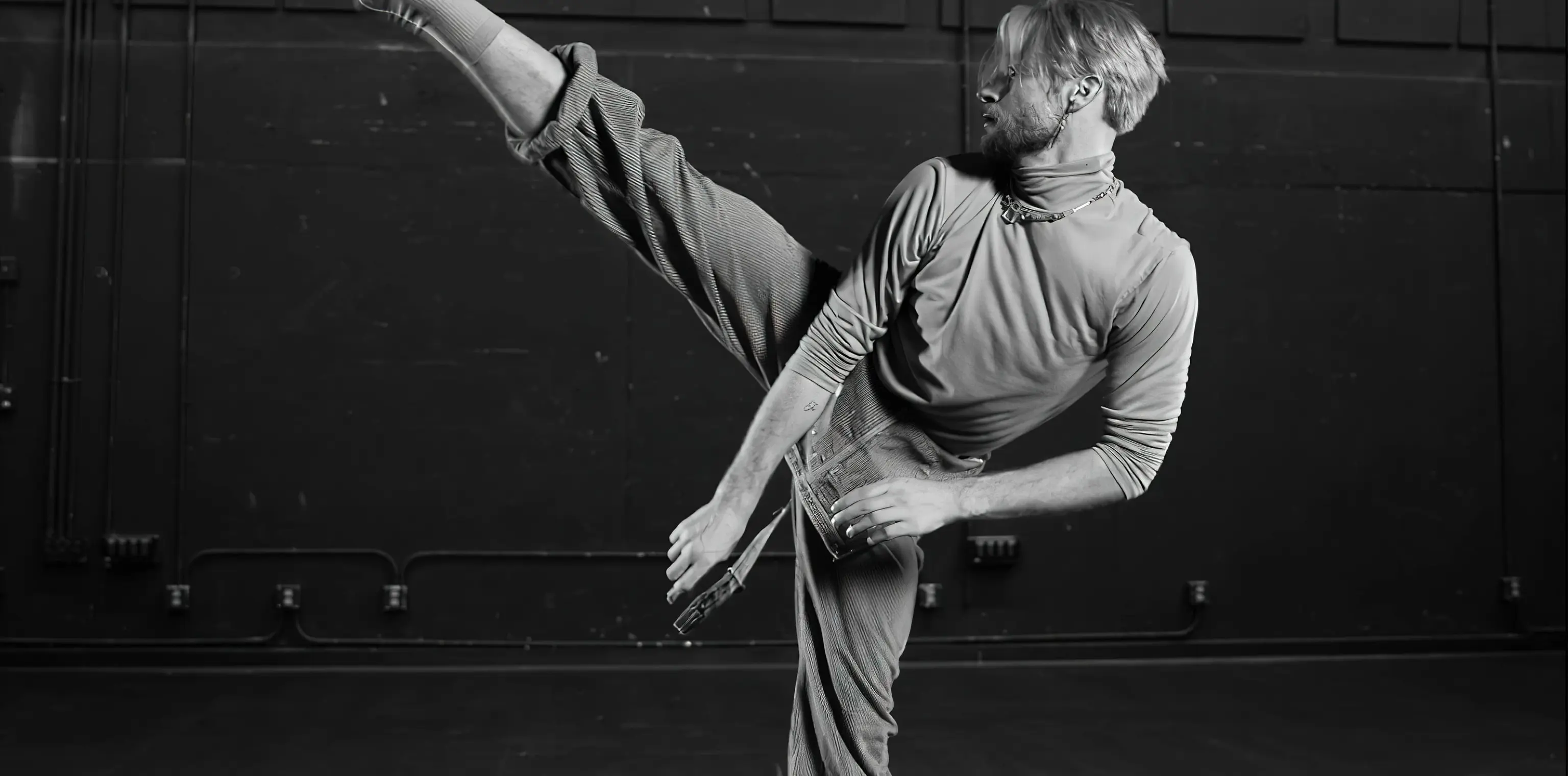
Luke Dakota Zender in a turtleneck holds a high side kick against a dark wall, in black and white

From the DancePlug archive

Let's Clear the Confusion: Why Contemporary and Modern Dance Are Different

A dance educator untangles two genres that are often confused.

6 Tips To Boost Your Dance Performance Quality From Good to Astounding

The underrated elements of movement quality that draw an audience in.

Unlock Your Flexibility with This Mobility Training Method

Build usable range of motion without relying on stretching alone.