Sexual Harassment: This is the Story of One Dancer's Limits
by Chelsea Hupalowsky • 8:00 mins read
Is there someone within your dance community who everyone knows to avoid? Whether his/her tendencies are inappropriate comments, uncomfortable glances, non-stop online messages, or unwanted sexual advances; is there a widespread knowledge that an industry professional has other intentions besides their hired position?
What if they’re an “important” person in the dance industry, with an impressive resume, or valuable connections? What if this person is a well-known photographer from whom you want a session, owns a dance company for which you’d like a position, or partners you for an upcoming show and you wouldn’t want to “start drama” or potentially lose your role?
Does the perpetrator being important, talented, or having power over your current career needs make sexual harassment tolerable?
We’ve heard countless times that “this is the nature of the industry you work in,” but we are allowing a toxic culture to continue if we oblige
Absolutely not, one Orlando dancer recently reminded us of this. Kim Matovina wouldn’t accept her friends and coworkers discussing a certain man nonchalantly, almost justifying it as “that’s typical so-and-so behavior.” She wouldn’t accept dancers remaining polite as they refused his inappropriate and unprofessional requests, but still gladly accepting jobs with his company. Most importantly, she wouldn’t accept the nonstop, unwanted, and demeaning messages she was receiving.
“His first messages were professional. He introduced himself, his multiple businesses and expressed his interest in working with me.” Conversations quickly turned uncomfortable without invitation or warning, asking her to cuddle because “cuddling isn’t sex,” and him insisting that since she had posed in body paint she should have no problem posing nude for him. After realizing she wasn’t alone in her experiences, she wanted everyone to know this wasn’t acceptable.
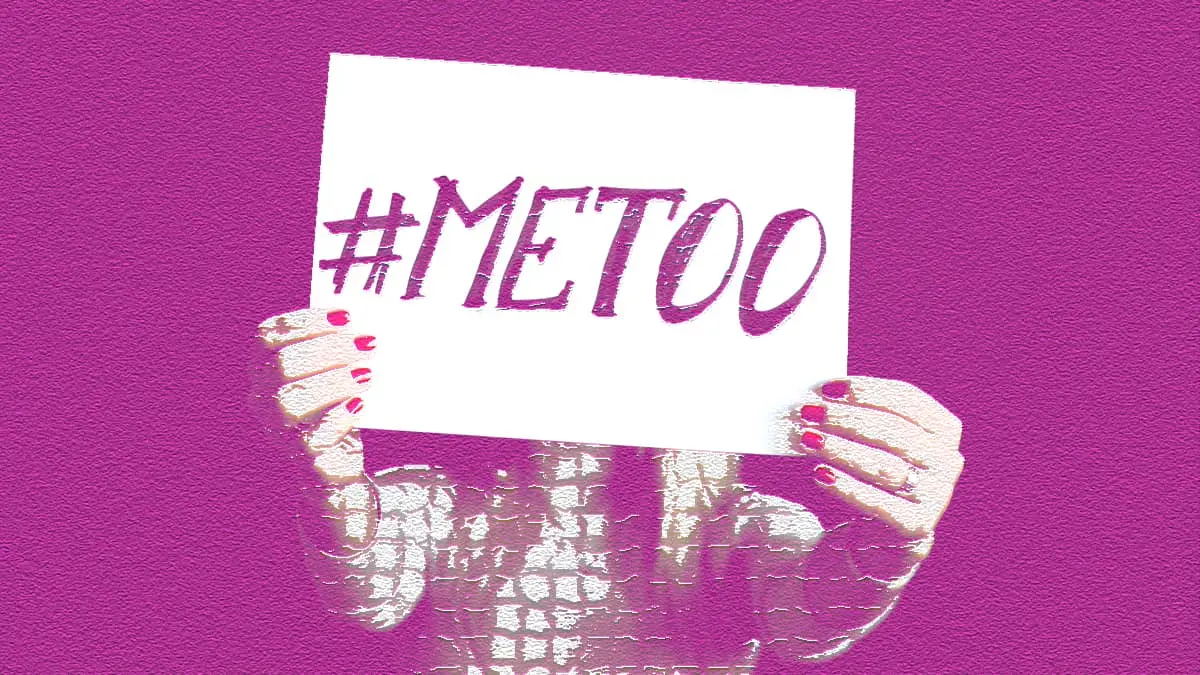
On July 5, Matovina swallowed her fears and posted a lengthy Facebook status, calling this man out by name and warning her peers that his intentions should not be trusted. Her status sparked an absolute outcry of women he harassed over years and across the country, whether his angle was repeated messages asking women to pose nude for “fun,” explicit photo requests to book work with his company, “casting” Facetimes that turned inappropriate, some claiming sexual harassment in the workplace, and some claiming they were approached at a young age. Within the first 24 hours, the post garnered hundreds of likes, shares, and #metoo responses. The numbers now sit in the thousands, including various live feed responses, protests, and petitions.
Orlando was experiencing its own MeToo movement, and the community was saddened to see which close friends and colleagues were affected. One comment read, “This has been happening since around 2009,” to which someone simply replied, “nope 2004,” and later posts claimed it to be much earlier. The responses varied; some women chalked it up to continued annoyance, and others very glad they didn’t fall for his unprofessional requests. One woman wrote that she refused to send requested photos of her “in a thong and very small bra” after she already sent measurements to confirm she would fit a costume, to which he informed her “the position has been filled.” On another comment, a woman posted screenshots of him attempting to trade headshots for specific sexual favors. One of the post’s most popular comments remains as, “I thought I was the only one.” The thread was discussed in Orlando performance venues for weeks. The sad reality: countless testimonials, screen shots, and #metoo‘s were posted, and still almost every woman in every Orlando break room had an additional story they didn’t add, making the numbers ultimately greater.
Don’t allow the prospect of a desired role or career opportunity relinquish the respect you deserve as an individual.
The Orlando dance community may have thought it was already doing its due-diligence and warning women when his name was brought up, but his behavior was deemed so common, so continual, and so “like him” that we stopped recognizing its serious implications. We must now ask ourselves: What about the dancers we didn’t or don’t warn in time? The women who are new to a city, new to a cast, or freshly out of high school? Will they be duped into thinking that this is how the dance industry functions?
One comment read “I don’t know a single female he HASN’T done this to,” meaning countless adults were well-aware of the harm caused by this one man. For the women who spoke up and weren’t heard, this does not apply to you. But how many adults, for various reasons, did nothing? This allowed his daily life to continue as normal: teaching children, working dance conventions, hiring dancers for gigs, and dancing with an onslaught of female partners. As demonstrated by this scenario, staying quiet is not only telling someone that their inappropriate behavior is acceptable, but it allows the behavior to happen to another woman.
One woman’s screen-shotted conversation showed her politely declining requests for nude photo sessions, which made her uncomfortable, but she continued expressing interest in dancing with his company. Why were dancers still wanting to work for him? Why is his company still in business? One reason being dancers’ serious fear of burning a bridge. We are constantly reminded of our replaceability, and we fear the people who have the power to “make or break us.” By immediately introducing credentials to women like Matovina, he may have tried creating a narrative that he is a successful professional; and women should respect and trust him, believe he could advance their career, and also be a little afraid of upsetting an important person. In reality, the person with the greatest power over your career is you, and as Matovina stated, “In this industry, we have an unreal thought that someone else can provide us with something that we can’t provide ourselves.”
Artists also have every right to express themselves in whichever way they please, and owe no explanation for their creative choices. “We chose to be in an industry that feels differently about the body, it being our art’s instrument. That’s not a reason we should be penalized or be apt to be preyed upon.” Matovina’s body paint photos were sexually targeted, but feels her photography experience revolved around the artistic relationship she built with a different, trusted photographer. “When he approached me about modeling for his photography projects, the first shoots were not body paint. I had my clothes on, we went to public places, and I met his wife... This is a person who when he approached me about body paint and I was interested, I didn’t feel pressured to do anything I wasn’t comfortable with. This is the kind of person that you want to keep around because they will allow you comfort and also feed your artistic nature.”
As women, we are fortunate the Metoo movement is finally present and actively affecting our culture. We live with different standards than those just five years ago, and the next five years should only advance the progress of the women’s movement and within the entertainment industry. We’ve heard countless times that “this is the nature of the industry you work in,” but we are allowing a toxic culture to continue if we oblige. For as many people, policies, and corporations that continue harboring a toxic culture, there is one that is open to change. That number will grow if we continue to notice and call out the problems.
Matovina’s viral Facebook post showed the strength of her voice, and she doesn’t plan on remaining silent. She is launching a nonprofit organization, Not For You, focused on supporting victims within the arts community who have experienced similar unwanted advances because of their performance work. Funds raised will be donated to help victims of sexual assault, and Matovina is continuing her search to find a partner organization that will aid both female and male victims.
Regardless of the legal actions revolving this story, the extended dance community has officially been warned, and it wouldn’t have happened if one extremely brave woman didn’t speak up. I wouldn’t have been inspired to write this article had it not been for her refusal to remain quiet, for which I personally thank her, because if my words can help just one person in a similar situation, I have now just begun doing my part.
staying quiet is not only telling someone that their inappropriate behavior is acceptable, but it allows the behavior to happen to another woman
To my beloved dance community:
Don’t allow the prospect of a desired role or career opportunity relinquish the respect you deserve as an individual. Supporting proper behavior in a career field is more important than booking a job, working with a desired artist, or being polite to someone in a position of power. This is hardly new information, but in a tough moment, don’t think that dealing with a tiny bit of uncomfortability will be worth any enhancement of your career. No matter how you look at it, working for these individuals will never suit your personal or career needs.
When artists begin their careers, especially in what is an ocean of a casting pool of female dancers, every job opportunity feels crucial and losing one performance prospect seems like the end of the career that has barely begun. Remember, there are countless working female dancers who can proudly state we’ve “burned bridges” and listened to our gut about a situation that either bordered or was full-on sexual harassment. Guess what? Our dance careers and lives have carried forth without that questionably-moraled human and we can testify we are happier without them. There are plenty of industry professionals who act appropriately and deserve your talent and artistry.
We must continue to be louder and unafraid to call out inappropriate abuse of power. Stop working for that person who makes you uncomfortable, and remember you are the only person who decides what exactly makes you uncomfortable -- your feelings are absolutely valid so don’t ignore them. Someday, these individuals won’t have to come crashing down from the top of their field; because we won’t let them make it to the top.
Other Articles
When Is Filming Dance Helping Us And When Is It Actually Hurting?
Caitlin M HeflinWith the rise of technology, dance has become more accessible via film. For video feedback this is great, but what are things to be weary of?
Finding Your Identity: How I Embrace Motherhood as an Artist
Caitlin M HeflinWhen life-changing choices like becoming a mother are made, how do we navigate this new identity? Writer, Caitlin Heflin, shares her story.

Cleveland mid-westerner Chelsea Hupalowsky spent most of her youth in pointe shoes, then earned her BFA in dance performance from The University of Akron and came out a contemporary dancer. Alongside performing she has taught dance in public schools, rehearsal directed for universities, and has produced shows across the nation. She currently resides in Orlando, performing and playing dance captain at Universal Orlando Resort and Cirque Magique/Cirque by Night. With her leftover spare time, she manages a bar and runs her apparel brand, Concept Hissyfit. Chelsea has been a freelance writer and blogger for over eight years and is ecstatic to be sharing her obsessive passion for dance with anyone who will listen.